
The Comfort of Knowing What Comes Next
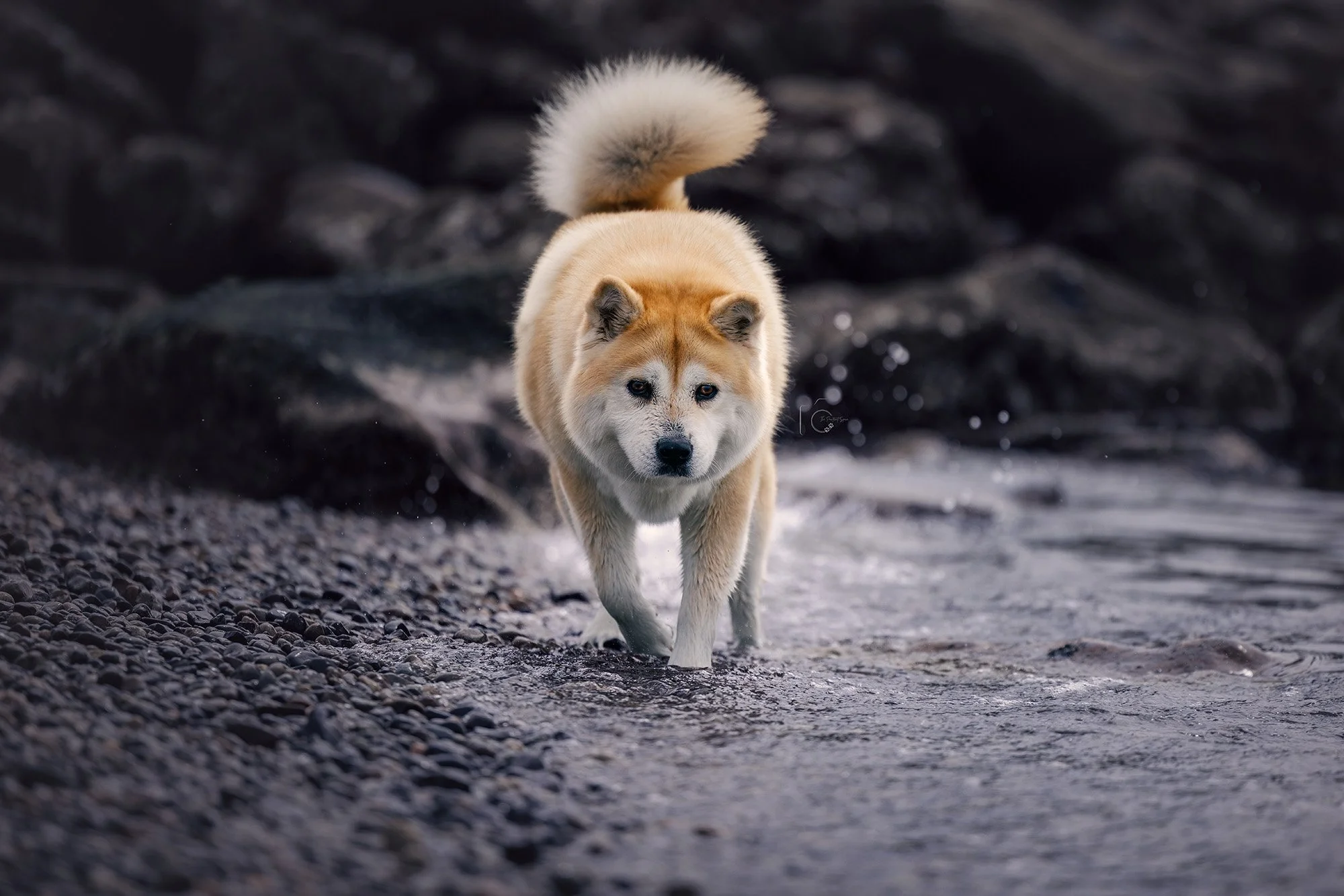
There's a look a dog gets when they hear the leash before they see it. I've watched for it hundreds of times — in sessions I've photographed, in the dogs I've cared for over the years, in the quiet in-between moments before a day properly begins. It isn't excitement, exactly. It's something slower and more settled than that. A kind of readiness that doesn't need to announce itself. The body softens. The ears lift. And in the second before the walk begins, there's this particular quality of peace.
I think that moment says something true about what dogs actually need from us. Not perfection. Not an elaborate system. Just the comfort of knowing what comes next.
Routine, for a dog, is not about discipline or scheduling for its own sake. It's about trust. It's the way a dog learns that the people they love keep appearing, that the walk will happen, that the bowl will be filled, that the world is safe enough to relax into. And in that knowing — in that daily accumulation of yes, this again, I know this — something passes between a dog and their person that doesn't need words.
That something is love.
Key Takeaways
Routine isn't rigidity — it's the daily promise that tells your dog the world is safe
The predictability you offer, even imperfectly, is one of the quietest forms of love a dog receives
A familiar day lets a dog stop bracing for the unexpected — and spend that energy on simply being themselves
Confidence in dogs grows through repetition, not temperament — and every owner can give this
Dogs at every life stage hold on to familiar patterns: puppies finding their footing, seniors navigating a changing world
Nothing needs to be perfect. The shape of a day matters far more than its precision
What Predictability Does for a Dog's Heart
Dogs are extraordinary readers of pattern. They track the shift in a house's energy before a walk begins, the particular sound of a morning routine unfolding in another room, the small signals that tell them what kind of moment this is. When those signals hold — even loosely — a dog settles into the day rather than bracing against it.
But this isn't just about behavior. It goes somewhere deeper. When a dog can trust the shape of their day, they carry less of what I can only describe as low-grade vigilance — not quite fear, but a readiness for things to go differently than expected. That vigilance has a weight to it. It makes rest harder. It makes connection harder. It lives inside the dog invisibly, in how they hold themselves, in how quickly they settle, in how freely they give themselves over to a moment.
A predictable day lets a dog put that vigilance down. And when they do, you can see it. There's a looseness in how they move. An availability that wasn't there before.
"When the day has a shape a dog can read, they stop bracing and start belonging."
The Confidence That Grows in Familiar Ground
There's a kind of confidence in dogs who know what their day looks like — not loud or showy, but something quieter and more lasting. The confidence of a creature who doesn't have to interpret every moment from scratch because they already know this part.
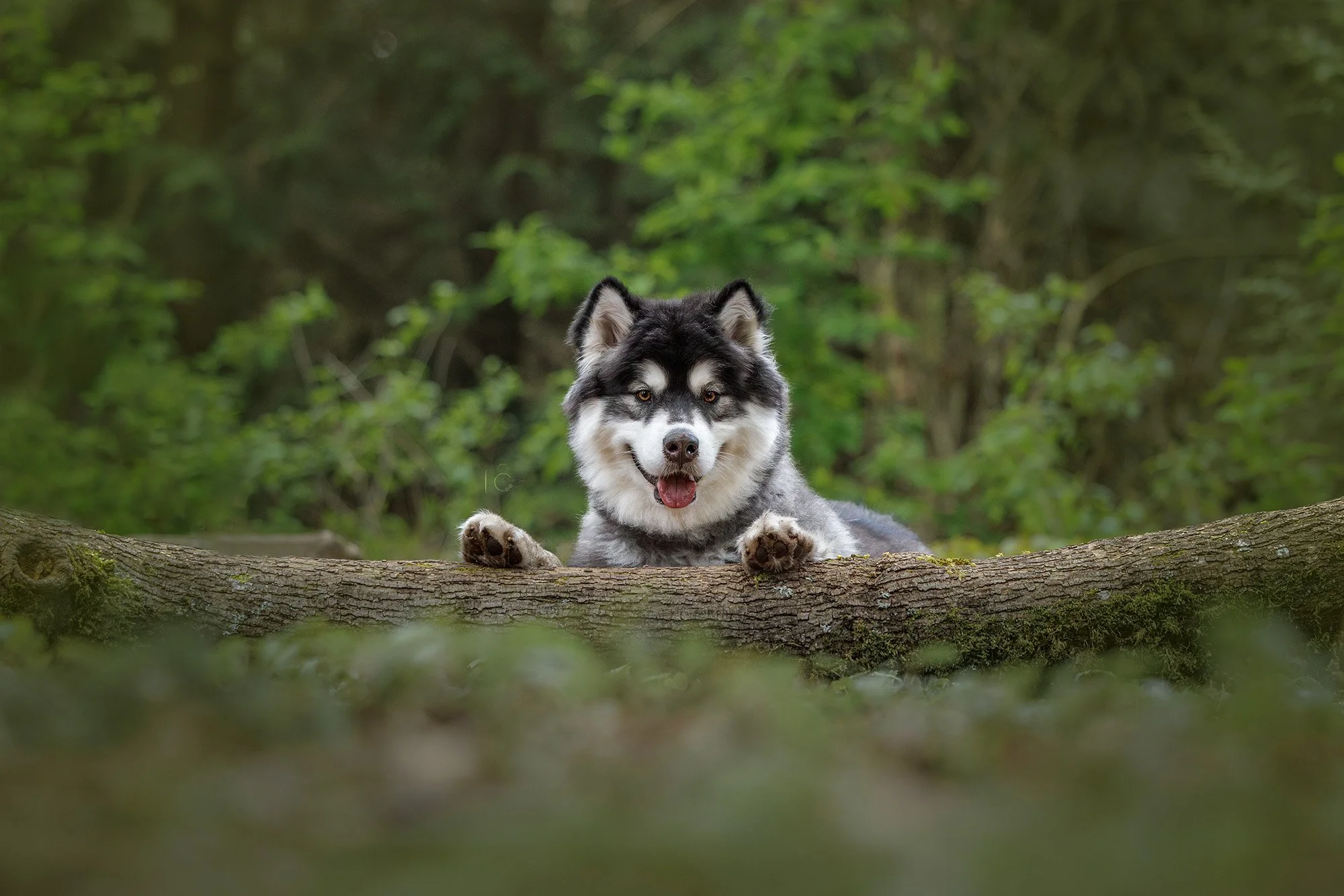
In my photography work, the sessions that unfold with the most ease are almost never with the most naturally bold dogs. They're with dogs whose days have a shape. These dogs walk into an unfamiliar room and, after a moment, decide it's manageable. They settle into curiosity rather than monitoring their surroundings. They offer themselves to the space.
What strikes me is that this quality isn't about breed or formal training. It's the result of accumulated familiarity. Of countless days that made enough sense to relax into. The dog who trusts the shape of their life trusts themselves inside it.
Every Life Stage, Held by the Same Comfort
Dogs need this through every season of their lives, though what it looks like changes.
A puppy arrives in a world that is almost entirely unfamiliar — every smell new, every sound unidentified, every face an open question. Routine gives that puppy a handful of things they already know, in the middle of all that newness. A feeding time they can anticipate. A sleeping place that is reliably theirs. These small anchors aren't just comfort. They're the beginning of a dog learning that they can trust where they've landed.
For adult dogs, familiar rhythms maintain the emotional equilibrium they've built. They know what kind of day this is from the first signals of the morning, and that knowing frees them to be fully present in whatever the day actually brings.
Senior dogs often depend on predictability in ways that become more visible with age. A dog whose body and mind are changing — who may be navigating confusion, or senses that work differently than they used to — holds on to the familiar patterns of their day as something solid. The walk that always happens. The spot that is always theirs. For an older dog, these aren't just habits. They can be profound reassurance.
Nothing Has to Be Perfect
This is the thing I most want to say: you do not need to create a rigid, perfectly timed, beautifully orchestrated routine to give your dog this. That version doesn't exist in most people's lives, and more importantly, it isn't what dogs are asking for.
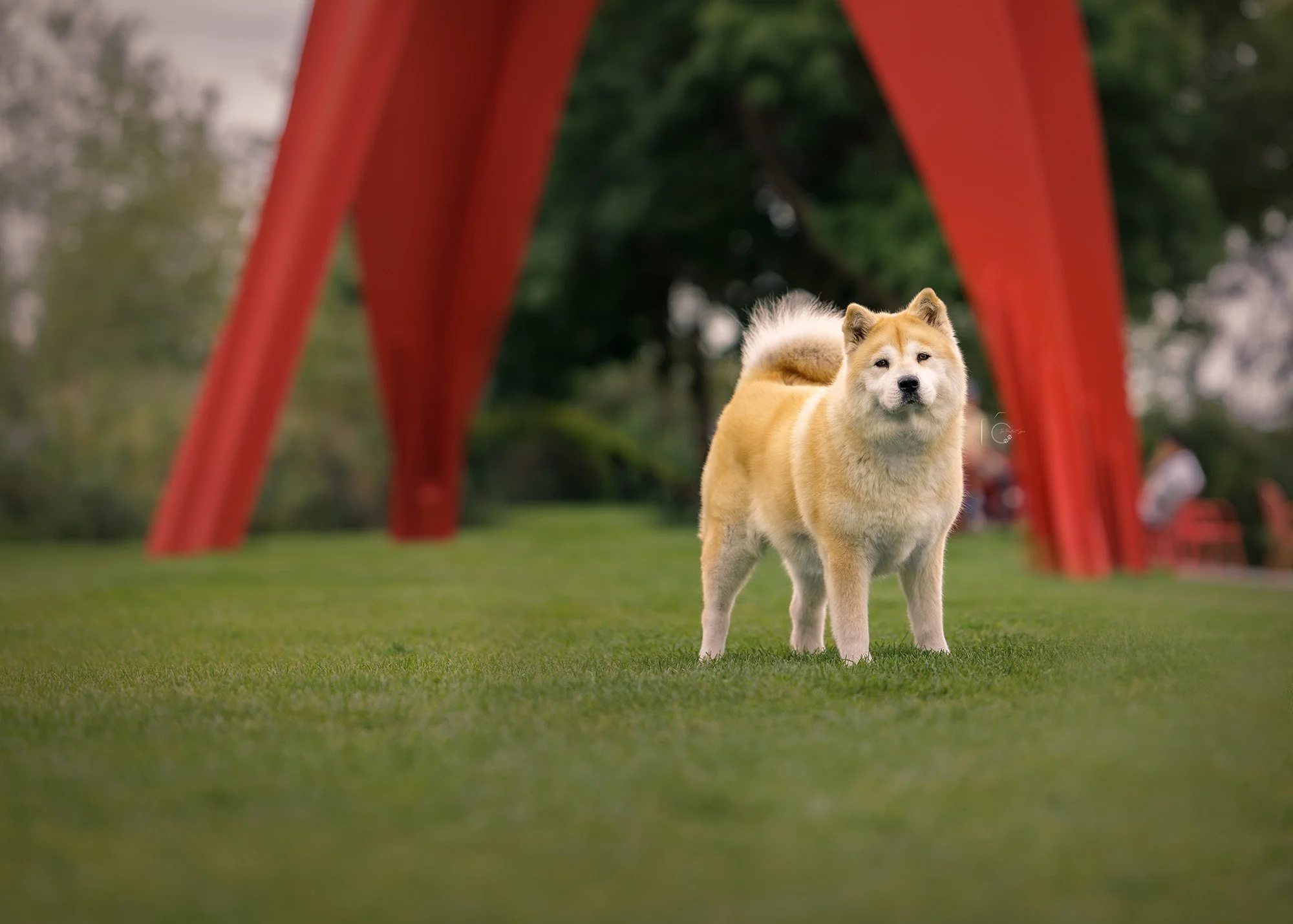
What they seem to need is familiarity — the broad shape of a day held steady enough to feel like itself. A slightly later walk, dinner thirty minutes off schedule, a different weekend morning: none of these unravel what you've built, if what you've built has enough shape to still be recognizable.
"Routine doesn't mean every minute is accounted for. It means the day has enough of a pattern that a dog can settle into it rather than wonder about it."
However you love your dog, however your days are constructed — the fact that you're thinking about this, that you want them to feel safe and known — that already counts for something enormous. Dogs feel the care behind a life organized with them in mind, even when that life is imperfect. Especially when it's imperfect.
The Quiet Daily Act of Saying I'm Here
When a dog knows the walk will come, they don't need to pace the hallway. When they know playtime follows dinner, they don't need to demand attention the moment you sit down. That calm — the dog on the sofa simply resting, not waiting, not anxious — is the result of a dog who trusts.
That trust is not trained into existence through technique. It accumulates slowly, through days that make enough sense. Through an owner who keeps showing up in the ways they've promised, even without knowing they made a promise.
That's what a good routine gives a dog. Not a schedule. A person they can count on.
